SaaS platforms, admin included.
Helmsman designs and develops SaaS platforms: multi-tenant web and mobile products sold on subscription, with the roles, billing and admin needed to run them as a business. It builds the whole platform end to end, from the product your users see to the admin panel your team runs it from.
From $3,000Typically $3,000 to $80,000See pricing
Last updated
Who needs a SaaS platform?
You probably need it if…
- You have a product idea that many businesses or users would pay for on subscription.
- Software built for your own company could be sold to others in your industry.
- Your product serves two sides, such as clients and practitioners, and each needs its own app or panel.
- Taking on a new customer means setting up a separate copy of the software.
- Your team manages subscriptions, payouts and users in spreadsheets beside the product.
What does a SaaS platform include?
- 01
Multi-tenant architecture
Many customers, one platform
Each customer's data kept separate on one shared platform, so adding a customer is a setup step rather than a new installation.
- 02
Subscriptions & billing
Plans, renewals and payouts
Subscription plans and billing and, where the model needs it, payouts to the other side of the platform.
- 03
Roles & permissions
Each user sees what is theirs
Owners, staff, customers and administrators each get the access their role needs, and nothing more.
- 04
Admin platform
Where the business is run
The internal admin where your team manages customers, users, content, billing and support.
- 05
Client & provider apps
Each side gets its own product
Separate mobile apps and web panels for each side of a two-sided platform, for example clients and the professionals they book.
- 06
Matching & recommendations
The right people, products and content
Matching engines that pair users with the right people, products or content by their own preferences.
- 07
Analytics
Acquisition, usage and repeat business
Dashboards on sign-ups, usage and repeat activity, so you see how the product is doing as a business.
How does Helmsman deliver a SaaS platform?
The full approachA SaaS platform is a product and a business at once, so Helmsman starts with both: who the users are on each side, what they pay for, and what your team needs to run the platform day to day. The architecture is decided early, because how customers, data and subscriptions are kept apart is hard to change later.
The platform is then designed and built in stages, with working software you can review as it comes together. One example is a therapist-matching platform built end to end: a client mobile app, a therapist web panel and the admin platform the business runs on. After launch the platform keeps evolving as its customers ask for more.
- 01UnderstandProcess map
- 02AnalyseRequirement document
- 03ArchitectSolution structure
- 04DesignScreens and flows
- 05DevelopWorking software
- 06ImplementLive system
- 07EvolveOngoing support
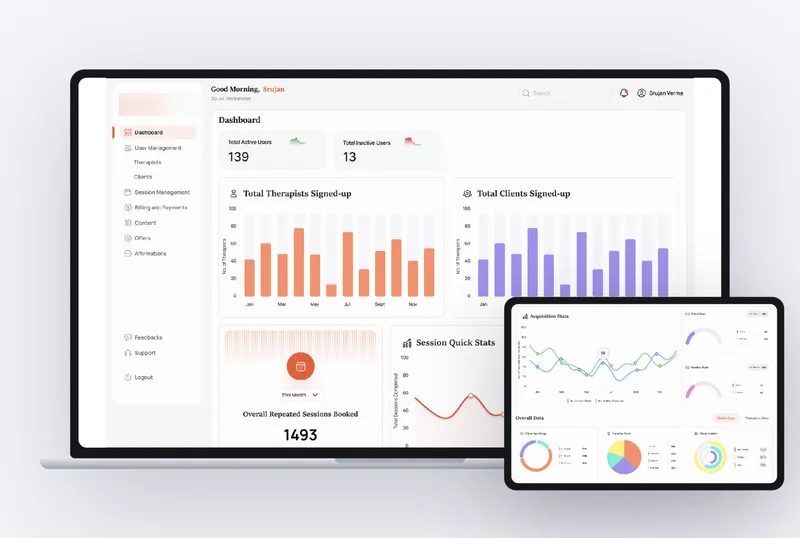
One platform, three products
A therapist matching platform in India: client app, therapist panel and the admin system that runs the business.

Humann
A mental-health app that matches people with the right therapist and makes booking easy.
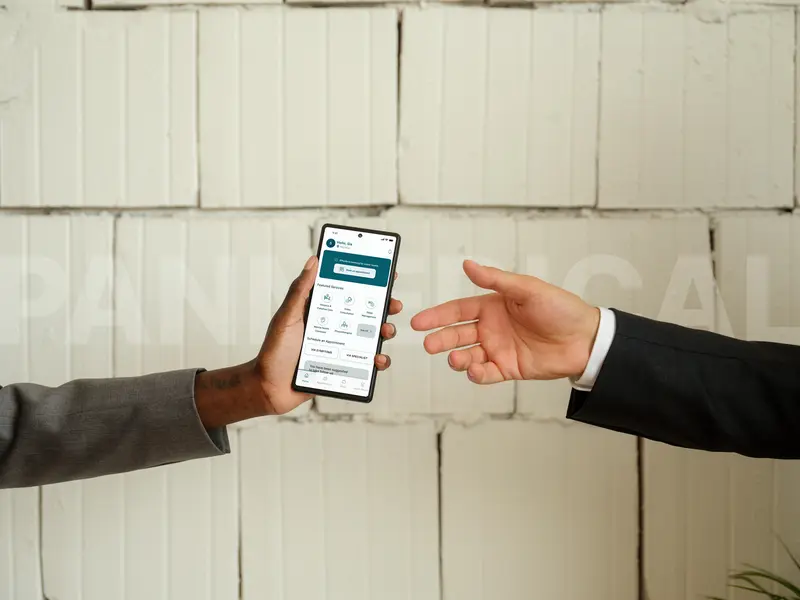
Panmedical
A healthcare app with two sides: patients book and consult, doctors manage their practice.
Industries we build this for
Read before you decide
SaaS questions, answered.
What is a SaaS platform?
SaaS (software as a service) is software that customers use online and pay for by subscription, instead of installing their own copy. A SaaS platform serves many customers from one system, with each customer's data kept separate.
What does multi-tenant mean?
It means many customers (tenants) use the same platform while each sees only their own data and settings. Adding a new customer becomes a setup step rather than a new installation.
Can you build the admin side as well as the product?
Yes. Helmsman builds SaaS platforms end to end, from the apps each side of the platform uses to the admin panel your team runs it from.
Can a SaaS platform have a mobile app as well as a web app?
Yes. A platform can serve each type of user in the form that suits them, for example a mobile app for clients and a web panel for the professionals who serve them.
Will the platform cope as we add customers?
Yes. The structure is planned in the Architect stage, so more customers and users are usually a change in settings, not a rebuild.